Summary





3D Visualization in E-Commerce 2026: Definition, Innovations (WebGPU, AI), and Business Impact

Published on 9/2/2026 by Hugo Rimélé
Originally published by Yahong Zhang, Ritesh Patil, Sabrina Khadivi, fully rewritten and updated by Hugo Rimélé (co-founder of Hapticmedia and specialist in emerging technologies and digital transformation for brands) on September 2, 2026.
The WebGL Revolution and Next-Gen Customer Experiences
When WebGL arrived in 2011, 3D visualization became a native part of the web and gradually reshaped what brands could do online. But that was only the opening act. The technology has kept moving, and fast. Each step makes 3D experiences more immersive and easier to reach.
In the early days, 3D visualization meant heavy software, high-end workstations, and a narrow pool of CGI talent. Today, GPU computing in the browser via WebGPU, combined with generative AI, has made 3D fluid, instant, and universally available online, just as seamless a part of the web as video or text.
Now that these technologies have matured, they open up a new set of use cases for brands. This article breaks down what's changed, with a particular focus on web-based visualization and the e-commerce customer experience.
What Is 3D Visualization? Offline vs. Real-Time Rendering
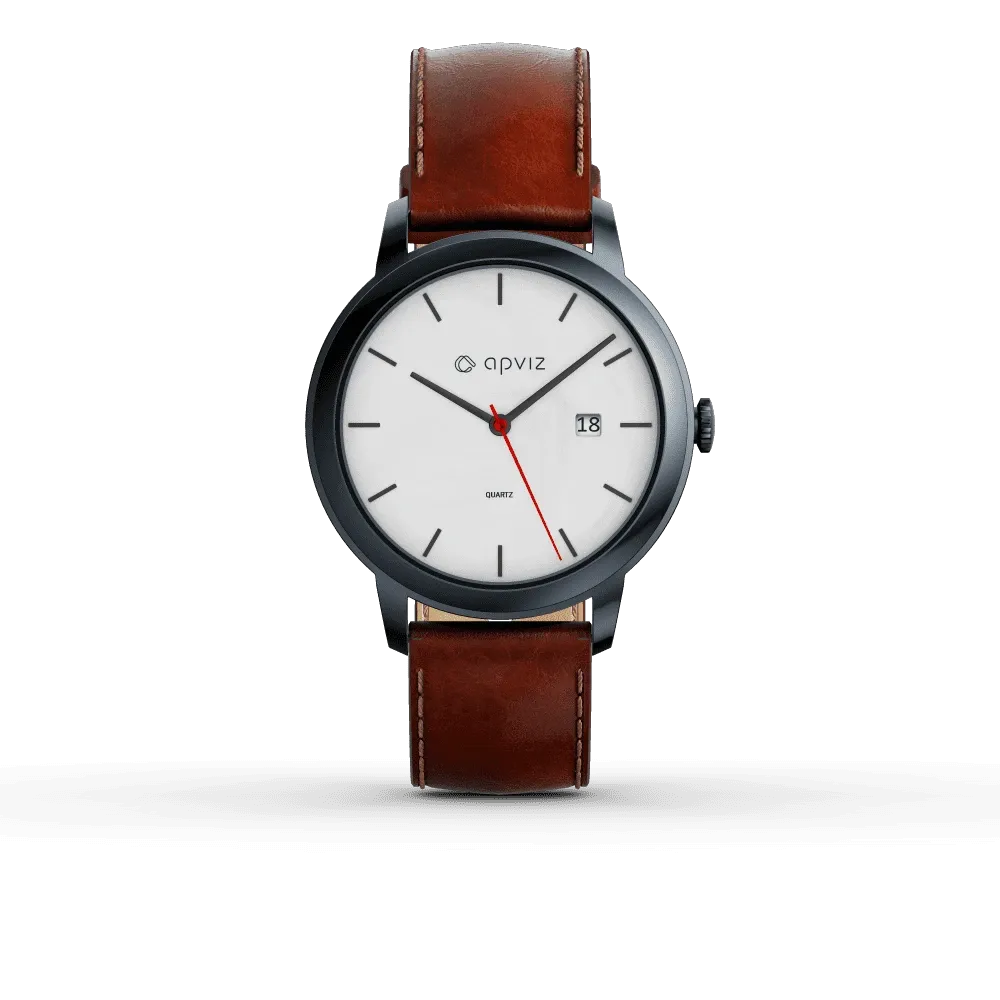
3D visualization covers the full range of techniques used to compute and display objects or environments in three-dimensional space. Historically, it breaks down into two families of rendering:
Offline Rendering
This approach physically simulates the way light and matter interact, with a very high degree of accuracy: refraction, reflection, absorption, light bounces, transparency. The results are extremely precise, but the computation is slow and resource-hungry. It's the kind of rendering traditionally used for film VFX and for still images in architectural visualization.
Real-Time Rendering
The second family relies on light approximation techniques borrowed from the video game industry. This is the technology of choice for interactive 3D visualization on the web. Its real strength is immediate interactivity: the user can spin an object a full 360°, swap a material, configure a colorway, or move through a virtual space in real time. And recent advances are steadily closing the visual quality gap between offline and real-time.
From WebGL to Frictionless 3D. How the Experience Evolved
The user experiences that succeed at scale are always the ones that are easiest to use. As technology evolves, it strips away the barriers to adoption: forcing users to install a plugin, print a QR code, or wear a dedicated headset remains a major obstacle for the general public. What truly works are seamless, instant experiences that require no preliminary action.
The metaverse hype cycle of 2021–2022 obscured a simpler truth: in daily use, convenience beats immersion every time. The real turning point had already happened a decade earlier, when WebGL made it possible to render 3D natively in any browser, with no installation required.
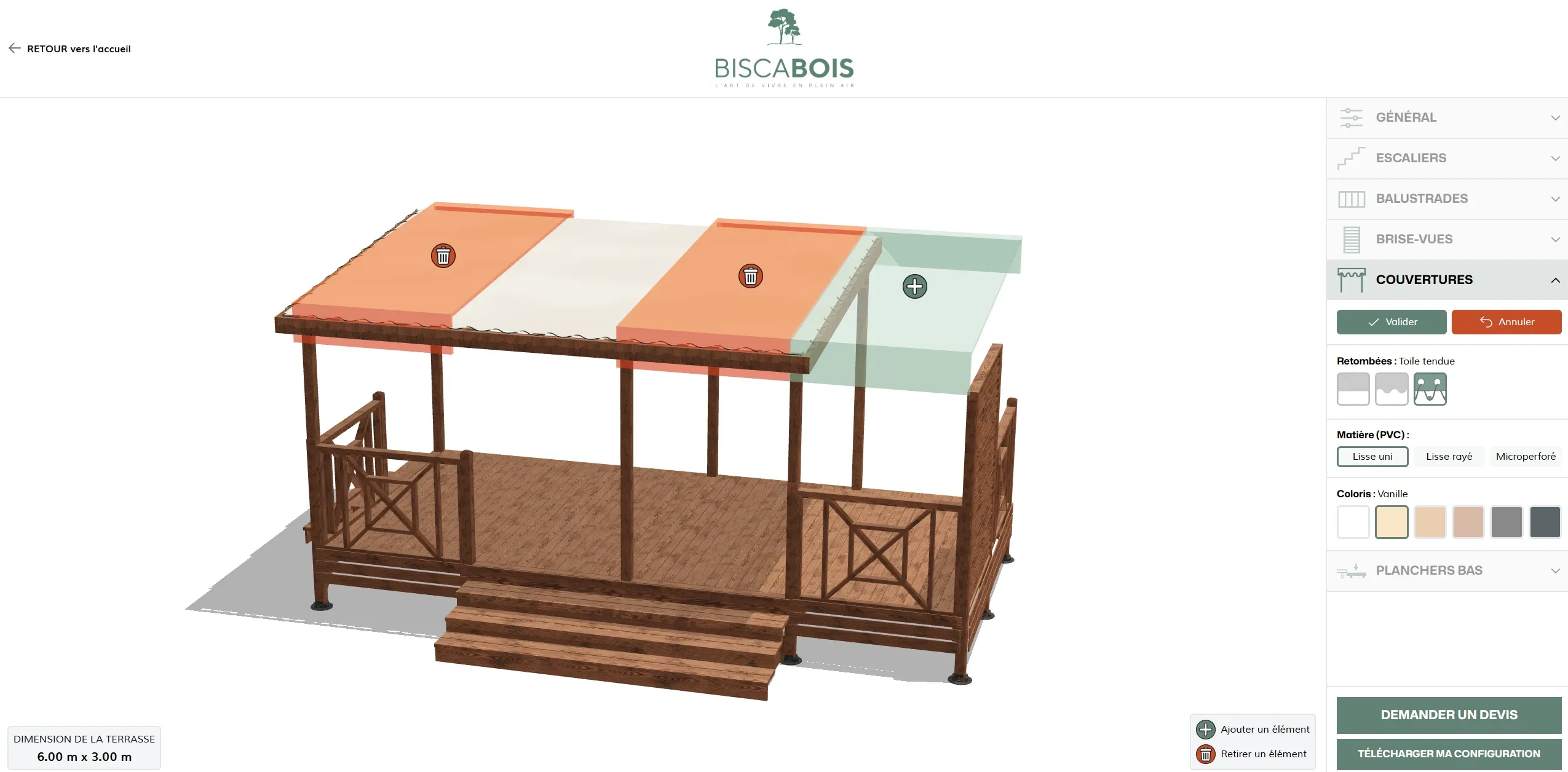
That accessibility is what turned 3D into a commercially serious channel, particularly in e-commerce, where 3D product viewers, made-to-order configurators, and AR virtual try-on all became viable at scale.
Why 3D Visualization Became Strategic for E-Commerce?
Building a 3D digital twin of a product unlocks a whole range of omnichannel experiences from a single asset. For customizable products and for luxury, that 3D model becomes an exact clone of the physical object. The buyer can examine their configuration down to the smallest detail before placing the order, which builds confidence and takes the guesswork out of the purchase.
The measured impact of 3D and AR on product pages +94% higher conversion rate −40% returns tied to product misrepresentation Source: Shopify, 2025
A Global Market on a Steep Growth Curve
Real-time 3D is no longer a technical demo; it's a market standard. According to Fortune Business Insights (updated July 2026), the global 3D rendering and visualization software market stood at $3.87 billion in 2025 and is projected to reach $19.80 billion by 2034, a compound annual growth rate of 19.9%.
A figure that covers the full software market, architecture and VFX included Fortune Business Insights.
At the same time, AI is reshaping how people search the web and autonomous AI agents are moving into e-commerce. In that context, interactive visualization is becoming one of the few visual levers that can still hold a shopper's attention.
What Changed in 2026: AI, WebGPU, and 3DGS
Several major advances have brought the cost and speed of producing and displaying 3D assets to levels that weren't possible before.
AI-Assisted 3D Creation
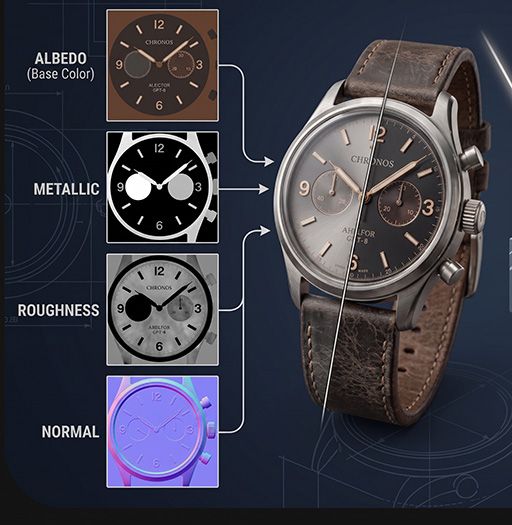
Historically, building a high-definition 3D asset without a CAD file meant a complex photogrammetry pass followed by manual remodeling from a 3D artist. Today, generative models like TRELLIS and Hunyuan3D reconstruct 3D objects directly from reference images. These tools still need an artist in the loop to guarantee true geometric accuracy, which remains non-negotiable for luxury. But AI has dramatically compressed asset creation workflows, from text-to-texture to base mesh generation, and put 3D production within reach of far more teams.
Gaussian Splatting (3DGS) for Complex Scenes
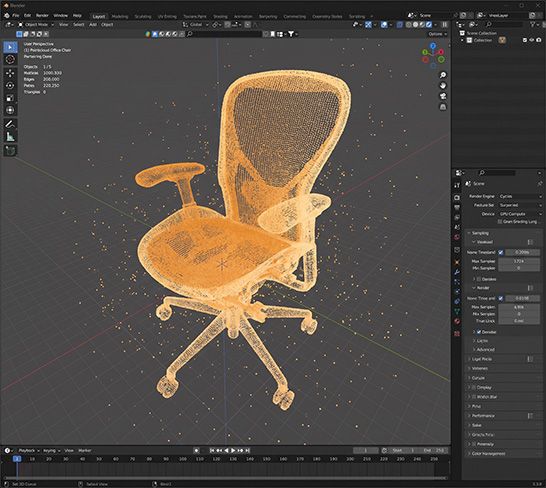
3D Gaussian Splatting is a clean break from traditional capture methods like NeRFs. It reconstructs a real object or environment from ordinary video or photos, then renders it as millions of tiny ellipsoids, essentially 3D blobs of color. The result is complex scenes rendered with exceptional smoothness. It's especially well suited to virtual showrooms and static object rendering, while 3DGS-to-mesh conversion continues to improve for interactive configurators that need live material swap
WebGPU: WebGL's High-Performance Successor
The gradual replacement of WebGL by Webgpu is the single most important technical shift for 3D on the web. WebGPU gives the browser direct, optimized access to the raw compute power of the graphics card.
What that means in practice for e-commerce:
- Far more complex, detailed scenes with no drop in frame rate.
- Support for advanced computation (compute shaders) to simulate complex PBR materials.
- Native compatibility: as of November 2025, WebGPU ships enabled by default in Chrome, Edge, Firefox, and Safari.
In practice, that covers roughly 70% of traffic today. The remaining share falls back to WebGL automatically in every major engine, so adopting WebGPU is an upgrade, not a bet.
Conclusion: 3D Is Becoming Inseparable from the Web
With traditional ad formats saturating, brands that want to stand out have to offer more than a static photo. 3D interactivity is emerging as a core lever for enriching the brand experience, giving shoppers confidence, and driving engagement.
Luxury houses will keep relying on skilled 3D artists to meet their standards. But AI-driven automation and the arrival of WebGPU now put high-quality immersive experiences within reach of the entire e-commerce ecosystem.
If there's a pattern worth taking away, it's this: the industry keeps looking for the next immersive breakthrough while the one that actually matters ships quietly in a browser update. The brands that succeed with 3D won't be the ones that bet on a format. They'll be the ones that treat 3D as a permanent part of their product infrastructure.
Explore next
3D product
Your premium products demand an exceptional digital twin. We create realistic 3D models with a mastery of complex materials for leading global brands.
Learn more
Product configurator
Boost conversions and reduce returns for your complex products. Our 3D configurator simplifies customization and empowers confident buying decisions.
Learn more

Future of Retail: Future is Phygital
Learn more